
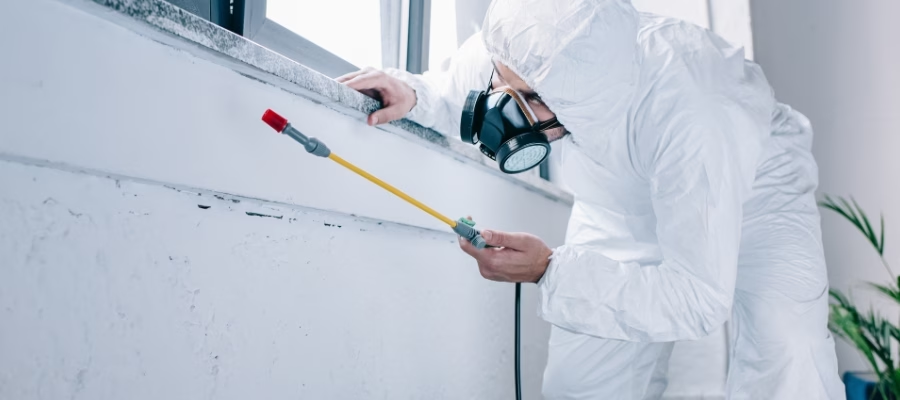
For Dana Point homeowners, spiders aren’t just a cosmetic nuisance. They leave behind unsightly webs that make your home look neglected, and certain species pose genuine health risks. If you’ve been sweeping away cobwebs weekly only to see them reappear, or if you’re spotting multiple spiders daily, you’re dealing with more than an isolated problem.
Wipe Out Pest Control has helped Dana Point residents tackle spider infestations for over 20 years, using proven methods that eliminate existing populations while preventing new ones from taking hold. Our comprehensive approach addresses both the spiders you see and the conditions attracting them, restoring your home to the clean, spider-free space your family deserves.
The Spider Challenge in Dana Point
Dana Point’s coastal environment creates unique conditions that make spider control more challenging than in inland communities. The ocean breeze brings moisture that attracts flying insects—gnats, mosquitoes, flies—which in turn draw spiders looking for easy meals. Your porch lights at night become insect magnets, and spiders quickly learn to build webs nearby where prey is abundant.
Homes near canyon areas or with significant landscaping face even greater spider pressure, as vegetation provides natural spider habitat right up against your walls. Unlike desert environments where spiders retreat during extreme heat, Dana Point’s moderate temperatures allow spiders to remain active twelve months a year. There’s no winter die-off to naturally reduce populations, meaning small spider problems compound over time without intervention.
Identifying Common Dana Point Spiders
Not all spiders carry the same risks, but knowing what you’re dealing with helps you respond appropriately.
Black widows are the primary venomous concern in Dana Point. These shiny black spiders with red hourglass markings prefer cluttered storage areas, underneath outdoor furniture, and inside rarely-used items like old flower pots or stored equipment. Female black widows are extremely protective of their egg sacs and more likely to bite when they feel threatened near their nests.
Cellar spiders, those long-legged creatures often called daddy longlegs, create messy cobwebs in corners, along eaves, and throughout garages. While harmless to humans, their webs accumulate quickly and trap dust, making your home appear dirty and poorly maintained.
Orb weavers build those large, circular webs you walk into face-first when stepping onto your patio in the morning. These spiders are excellent pest controllers, but their massive webs stretched across doorways and pathways become major annoyances.
Common house spiders are the small brown spiders that seem to appear everywhere—bathrooms, closets, behind furniture. They’re harmless but prolific breeders, and what starts as one or two spiders can become dozens within weeks.
The key difference between a manageable spider presence and an infestation often comes down to how quickly populations reproduce. When you start seeing baby spiders—tiny versions clustering near webs—you’re witnessing exponential growth that requires professional intervention.
When Spider Problems Become Urgent
If you discover a black widow nest—especially indoors or in areas where children play—that’s an emergency situation. Black widow egg sacs contain hundreds of spiderlings, and once they hatch, you’re dealing with a widespread venomous spider problem. These aren’t situations for DIY treatment; one missed egg sac means the problem continues.
Family members getting bitten, even by supposedly harmless spiders, signals that spider populations have grown large enough that human-spider encounters are becoming frequent. Spider bites often occur at night when spiders wander across beds or get trapped in clothing, indicating they’re moving freely throughout your living spaces rather than staying hidden.
At this point, a spider exterminator is needed to assess how far the infestation has spread and prevent continued exposure.
Common mistake: Waiting until you see dozens of spiders before calling a professional makes elimination more difficult and expensive. If webs keep reappearing or spiders are showing up in multiple areas of the home, it’s usually time to call a spider exterminator instead of relying on temporary fixes. Early intervention prevents small problems from escalating into major infestations.
How Professional Spider Exterminators Work
If spiders keep showing up around your Dana Point home, it’s usually a sign that something nearby is attracting them—or letting them in.
Thorough Assessment of Your Property
The first step involves understanding your specific spider situation. Our exterminators inspect not just where you’re seeing spiders but also where they’re likely breeding, nesting, and entering your home. We examine:
- Exterior perimeters where spiders congregate before moving indoors
- Structural gaps and cracks that provide entry points
- Moisture sources attracting both spiders and their insect prey
- Vegetation and debris creating spider habitat near your foundation
- Indoor hiding spots where spiders establish nests undisturbed
This assessment reveals patterns—maybe spiders are concentrated near specific doors, or perhaps outdoor lighting is creating insect swarms that draw spider populations to certain areas.
Strategic Treatment Application
Professional spider control uses multiple approaches simultaneously for maximum effectiveness:
Perimeter treatments create barriers around your home’s exterior, stopping spiders before they enter. These treatments target common spider pathways—under eaves, around windows and doors, along foundation lines, and in landscaping bed edges. The goal is to create a protective zone that spiders must cross, dramatically reducing the number attempting to enter your home.
Interior targeted treatments focus on areas where spiders are currently active—corners, closets, storage areas, and behind appliances. Rather than spraying entire rooms, we apply treatments precisely where spiders hide and travel, minimizing your family’s exposure to products while maximizing spider extermination.
Web and egg sac removal is critical but often overlooked. Dead webs don’t attract spiders, but egg sacs can hatch weeks after treatment if not removed. Our team physically removes all visible webs and egg sacs during treatment, preventing future generations from emerging.
Pro tip: Timing matters with spider treatments. Applying products when spiders are most active—typically evening hours—increases contact rates and improves effectiveness. Morning treatments often miss spiders that only emerge at night to hunt.
Exclusion and Prevention
This is where a spider exterminator adds long-term value by identifying and sealing entry points most homeowners don’t notice—tiny gaps around utility penetrations, cracks where walls meet foundations, openings around vents and pipes.
We also address conditions attracting spiders. Sometimes this means recommending outdoor lighting changes that don’t draw insects, or suggesting moisture control solutions that make your property less appealing to spider prey. The most effective spider control combines chemical treatment with environmental modifications that make long-term reinfestation unlikely.
Follow-Up and Monitoring
Spider infestations don’t disappear overnight. Eggs can hatch weeks after initial treatment, and new spiders can migrate from neighboring properties. That’s why follow-up visits are essential—they catch any surviving or newly arrived spiders before populations rebuild.
Wipe Out Pest Control schedules follow-up inspections to verify treatment effectiveness and make adjustments if needed. If we find continued activity, we retreat at no additional charge because our goal is complete elimination, not just temporary reduction.
What Makes Dana Point Spider Control Different
- Coastal conditions change everything. Dana Point homes face different spider pressures than inland areas, and generic treatment plans often miss those differences.
- Marine moisture fuels spider activity. Constant humidity creates ideal conditions for certain spider species, and some products break down faster in coastal air.
- Salt air creates new entry points over time. Corrosion leads to cracks and gaps that need regular monitoring and resealing as structures shift and settle.
- Year-round vegetation increases risk. Continuous plant growth provides spider habitat near homes, making landscape management an important part of long-term control.
Maintaining a Spider-Free Home
After professional treatment eliminates your spider problem, simple maintenance keeps them from returning.
Regular cleaning disrupts spider habitat. Vacuuming corners, baseboards, and ceiling edges weekly removes webs before spiders can use them as hunting grounds. Don’t just remove visible webs—vacuum behind furniture, inside closets, and in storage areas where spiders hide undisturbed.
Outdoor maintenance reduces spider populations near your home. Keep vegetation trimmed back at least two feet from your exterior walls. Remove leaf litter, wood piles, and debris where spiders nest. Store firewood away from your house rather than stacked against walls. Clean gutters regularly so they don’t become insect breeding grounds that attract spiders.
Light management makes a significant difference. Replace white outdoor lights with yellow bulbs that attract fewer insects. Position lights away from doors and windows rather than directly beside them. Consider motion-sensor lighting instead of always-on fixtures that create nightly insect swarms.
Seal food sources that attract spider prey. Store pantry items in airtight containers. Don’t leave pet food out overnight. Keep trash bins sealed. The fewer insects you attract, the fewer spiders will find your property appealing.
Seasonal Consideration: Late summer and early fall bring increased spider activity as populations peak and spiders seek sheltered spots for winter. Scheduling preventive treatments in August or September stops spiders before they move indoors for cooler months.
Why Dana Point Homeowners Choose Wipe Out Pest Control
When you’re dealing with spiders, you want a company that understands your specific situation and delivers results that last.
Local Expertise That Makes a Difference
We’re not a national franchise applying cookie-cutter treatments. Wipe Out Pest Control has served Dana Point and Orange County since 2003, giving us deep knowledge of local spider species, seasonal patterns, and the unique challenges coastal properties face. We know which treatments work in marine environments and which don’t, saving you time and money on approaches that would ultimately fail.
Safe, Eco-Friendly Solutions
Your family’s health comes first. We use low-toxicity products applied strategically where spiders actually travel, not sprayed indiscriminately throughout your home. Our treatments are tough on spiders but safe for children and pets, and we always explain what we’re using and why.
Guaranteed Results
If spiders return between scheduled treatments, so do we—at no additional charge. We stand behind our work because we’re confident in our methods. Your satisfaction isn’t optional; it’s guaranteed.
Transparent Communication
You’ll always know what we’re doing, why we’re doing it, and what results to expect. No surprise charges, no pressure for unnecessary services, and no confusing technical jargon. Just honest assessments and effective solutions from experienced professionals who respect your home and your time.
Get Your Home Back from Spiders
Spiders have had their run of your Dana Point home long enough. Whether you’re tired of constant web removal, worried about venomous species near your family, or simply want to enjoy your outdoor spaces without encountering spiders at every turn, professional treatment provides the comprehensive solution you need.
It’s time to stop dealing with recurring spider problems and work with a team that understands the unique challenges Dana Point homes face. Schedule your free inspection with Wipe Out Pest Control today and discover what truly effective spider control looks like. Let’s work together to create the safer, cleaner home your family deserves.
FAQs
How quickly can you respond to spider problems in Dana Point?
We typically offer same-day or next-day service for Dana Point residents. Understanding that spider problems—especially involving venomous species—create legitimate concerns, we prioritize rapid response times. Our local presence means we can reach your property quickly without the delays common with national companies.
Are your spider treatments safe for coastal environments?
Absolutely. We specifically choose products that remain effective in Dana Point’s humid, salt-air conditions while being safe for the environment. Our treatments won’t harm beneficial insects like bees or pollinators, and they’re formulated to break down appropriately without contaminating local ecosystems.
Can you help with both indoor and outdoor spider problems?
Yes, comprehensive spider control requires treating both areas. Indoor treatments eliminate existing spiders, while outdoor treatments prevent new ones from entering. We also address landscaping and structural issues that contribute to spider problems, providing complete solutions rather than temporary fixes.
Do I need to leave my home during spider treatment?
Not typically. Our targeted application methods and low-toxicity products allow you to remain home during most treatments. We’ll provide specific instructions based on your situation, but the majority of our residential spider treatments don’t require homeowners to vacate.
How long do spider treatments remain effective?
Initial treatments typically provide 60-90 days of protection, though this varies based on spider pressure around your property. Homes near canyons or with significant vegetation may need more frequent treatments. We’ll recommend a maintenance schedule based on your specific situation and activity levels we observe during inspection.