
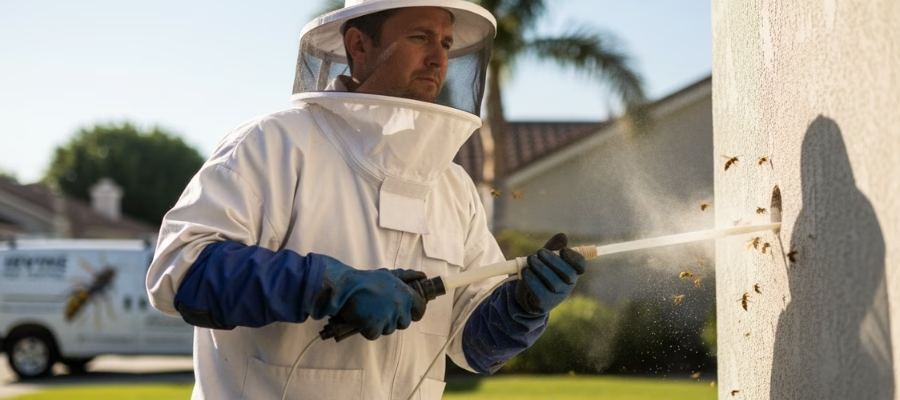
Finding a wasp nest on your Irvine property isn’t just inconvenient—it’s dangerous. Unlike bees that sting once and die, wasps can sting repeatedly, defending their territory aggressively when threatened. A single nest can house thousands of wasps by late summer, turning your backyard, patio, or eaves into a genuine hazard zone.
DIY wasp removal attempts send hundreds of people to emergency rooms annually. Store-bought sprays provoke defensive attacks, ladders become unstable when you’re swatting at angry wasps, and incomplete removal means the colony rebuilds within weeks. That’s why professional wasp removal delivers results DIY methods can’t match.
At Wipe Out Pest Control, our technicians handle wasp infestations safely and completely—eliminating threats without putting your family at risk.
Common Wasp Species in Irvine
Orange County hosts several aggressive wasp species, each requiring specific removal approaches.
Yellow Jackets—These black-and-yellow striped wasps are Irvine’s most aggressive species. They nest underground in old rodent burrows, wall voids, and dense vegetation. Yellow jackets become extremely territorial in late summer when colonies peak at 4,000-5,000 wasps. They’re attracted to sugary drinks and protein at outdoor gatherings, making backyard barbecues genuine danger zones.
Paper Wasps—Paper wasps build distinctive umbrella-shaped nests from chewed wood fibers under eaves, porch ceilings, and garage overhangs. While less aggressive than yellow jackets, they fiercely defend nests when disturbed. Their exposed nests make them visible threats that homeowners often try—and fail—to remove themselves.
Mud Daubers—These solitary wasps create tubular mud nests on walls and structures. Though generally non-aggressive, their nests accumulate over time and attract other pests. Mud daubers rarely sting unless directly handled, but their presence indicates conducive conditions for more dangerous species.
- Common Mistake: Homeowners often confuse wasps with bees and attempt removal without understanding species-specific behaviors. This leads to provoked attacks and failed elimination—wasps return to rebuild in the same locations when nests aren’t completely destroyed.
Why DIY Wasp Removal Fails
Incomplete Nest Destruction
Store-bought aerosol sprays kill visible wasps but rarely penetrate nest interiors where queens and larvae shelter. Surviving wasps rebuild quickly, often becoming more aggressive after disturbance.
Dangerous Application Methods
Most wasp nests require ladder access or reaching into confined spaces. When wasps swarm defensively, unstable positions lead to falls and injuries beyond just stings.
Wrong Timing
Treating nests during peak daytime activity when wasps are foraging means you’re only hitting a fraction of the colony. Survivors return and immediately begin defensive behavior.
Inadequate Protection
Regular clothing doesn’t prevent wasp stings. Their stingers easily penetrate standard fabrics, and DIY attempts without professional protective gear result in multiple painful stings—or worse, severe allergic reactions requiring emergency treatment.
When Professional Help Is Critical
Some situations absolutely require professional wasp removal rather than DIY attempts. Understanding when to call experts can prevent serious injuries, medical emergencies, and failed elimination attempts that make infestations worse.
Large Established Nests
Nests larger than a softball can contain thousands of wasps operating as a coordinated defensive unit. By late summer, a single yellow jacket nest can house 4,000-5,000 wasps, while paper wasp colonies reach 200-300 individuals. DIY attempts on nests this size provoke mass attacks, causing dozens of simultaneous stings—a medical emergency even for non-allergic individuals.
Nests in Wall Voids or Attics
Hidden nests require specialized equipment and treatment methods that penetrate building materials. Wall void colonies can grow undetected for months, reaching populations of thousands before anyone notices wasps entering through tiny exterior cracks. Incomplete removal leaves colonies thriving inside your home’s structure, and cutting into walls during DIY attempts can release swarms directly into living spaces.
Multiple Nest Locations
Properties with several nests indicate severe infestation requiring coordinated treatment. Wasps communicate through pheromones—attacking one nest while others remain nearby means alarm signals spread to untreated colonies. Attempting removal of multiple nests yourself means you’re outnumbered by thousands of defensive insects with nothing to lose.
Known Sting Allergies
Anyone with documented wasp sting allergies should never attempt removal under any circumstances. Anaphylactic reactions progress rapidly—throat swelling can close airways within five to ten minutes. But here’s what most people don’t realize: you can develop wasp sting allergies at any time, even if you’ve been stung before without problems. That wasp sting that caused minor swelling last year could trigger a life-threatening reaction this year.
Ground-Nesting Yellow Jackets
Underground colonies are extremely difficult to treat effectively because yellow jackets have multiple escape tunnels—disturbing the primary entrance triggers defensive swarms from exits you didn’t know existed. These colonies reach peak aggression in late summer when populations are largest and food sources become scarce. Yellow jackets defend territory up to 50 feet from nest entrances, attacking anyone who comes near.
Professional Wasp Removal Process
Professional wasp removal in Irvine requires more than just spraying a nest and leaving. Here’s how our technicians at Wipe Out Pest Control handle infestations properly.
Thorough Property Inspection
We start with systematic property assessment identifying:
- All active nest locations—visible and hidden
- Wasp species present (treatment varies by type)
- Entry points and conducive conditions
- Potential safety hazards during removal
- Secondary nesting sites that could cause reinfestation
This inspection reveals whether you’re dealing with a single nest or multiple colonies requiring coordinated elimination.
Professional-Grade Protective Equipment
Our technicians wear specialized gear unavailable to homeowners:
- Full-body sting-resistant suits with reinforced material
- Face shields and protective veils preventing facial stings
- Heavy-duty gloves extending beyond suit cuffs
- Sealed boots preventing ground-nesting wasp access
This equipment allows safe close-quarters work even with highly aggressive species like yellow jackets.
Strategic Treatment Application
Treatment timing and methods depend on nest location and wasp species:
Evening Applications: We treat most nests after dusk when wasps return from foraging and activity levels drop significantly. This ensures maximum colony impact with minimal defensive response.
Targeted Insecticides: Professional-grade products penetrate deep into nest structures, killing wasps on contact while leaving residual protection that eliminates emerging wasps over subsequent days.
Specialized Equipment: Long-reach applicators treat elevated nests without ladders when possible. For ground nests, we inject treatment directly into entrances, ensuring complete colony exposure.
Dust Formulations: Wall void and attic nests receive specialized dust treatments that wasps carry throughout the colony, eliminating hidden populations DIY sprays never reach.
- Pro Tip: Never spray wasp nests during daytime peak activity. Disturbed wasps release alarm pheromones that trigger colony-wide defensive attacks—turning manageable situations into dangerous swarms.
Complete Nest Removal
After treatment eliminates the colony (typically 24-48 hours), we physically remove nest structures. This critical step prevents:
- Wasps from other colonies occupying the abandoned nest
- Pest infestations in dead wasp remains
- Structural damage from nest deterioration
- Visual reminders attracting new wasp activity
We also treat surrounding areas with residual repellents, discouraging nest reconstruction.
Prevention and Exclusion
Effective wasp removal in Irvine includes preventing future infestations:
- Sealing entry points wasps use for wall void access
- Removing attractants like exposed food and sweet drinks
- Treating eaves and overhangs with long-lasting deterrents
- Identifying conducive conditions like moisture sources
The Real Dangers of Wasp Nests
Understanding what makes wasps so dangerous helps explain why professional removal is worth the investment.
Exponential Colony Growth
Wasp nests start small in spring when queens emerge from winter dormancy. A queen builds a starter nest and begins laying eggs, but colony growth accelerates dramatically through summer. That small nest you noticed in May can house 2,000-5,000 wasps by August. By late summer, you’re dealing with mature colonies operating at peak aggression when food sources become scarce.
Why Multiple Stings Are Dangerous
Unlike bees that sting once and die, wasps can sting repeatedly without injury. A single wasp can deliver multiple stings in rapid succession, and when colonies attack en masse, victims receive dozens of stings within seconds. Each sting injects venom, and accumulated venom from multiple stings creates systemic effects—nausea, dizziness, difficulty breathing, and potentially life-threatening reactions. Multiple stings can lead to serious systemic reactions, even in individuals without known allergies.
Structural Damage from Ignored Nests
Wasp nests cause real property damage when left untreated. Wall void colonies chew through insulation and drywall, creating entry points for moisture and other pests. Paper wasp nests under eaves deteriorate and stain siding, while mud dauber nests accumulate year after year. When nests are finally abandoned, dead wasp remains attract carpet beetles, ants, and other scavenger insects that create secondary infestations.
The Cost of DIY Failures
Every failed DIY attempt makes professional elimination more difficult and expensive. Partially destroyed nests make wasps hyper-aggressive, and incomplete treatments scatter wasps into establishing multiple smaller nests around your property. We regularly see homeowners spend hundreds on repeated DIY attempts over months before finally calling professionals—by which time the infestation has grown worse and treatment has become more complex.
Get Fast, Guaranteed Wasp Removal in Irvine
Wasp infestations don’t improve on their own—colonies grow larger and more aggressive with each passing week. If you’re dealing with wasps on your property, professional elimination is the safest and most effective solution.
Since 2003, Wipe Out Pest Control has been Irvine’s trusted choice for complete wasp and stinging insect removal. We offer same-day service for urgent situations, guaranteed results that eliminate colonies permanently, and family-safe treatments that protect your loved ones while solving the problem.
Don’t wait until someone gets stung or a nest becomes unmanageable. Whether you need wasp removal for your residential property or commercial location, our experienced technicians are ready to help. Contact Wipe Out Pest Control today for a free inspection and let us handle your wasp and stinging insect problems safely and professionally.
Frequently Asked Questions
How quickly can you respond to wasp emergencies in Irvine?
We typically offer same-day or next-day service for wasp removal requests in Irvine. We understand that wasp infestations create legitimate safety concerns requiring immediate attention, especially when nests are near doorways, play areas, or outdoor living spaces.
Is professional wasp removal safe for pets and children?
Yes. We use targeted treatments applied directly to nest structures, minimizing exposure to surrounding areas. After short waiting periods recommended by your technician, treated areas are completely safe for family activities. Our eco-friendly products break down quickly without harming beneficial insects like bees.
What’s the difference between wasp and bee removal?
Bees are protected beneficial pollinators we relocate when possible. Wasps are predatory insects we eliminate when they threaten human safety. Our technicians identify species accurately before treatment, ensuring we never harm beneficial bee populations while effectively eliminating dangerous wasp colonies.
How long does professional wasp treatment remain effective?
Initial treatments eliminate active colonies within 24-48 hours. Residual treatments on eaves and common nesting areas provide 60-90 days of protection. Properties with significant wasp pressure may benefit from seasonal treatments during peak nest-building months—we’ll recommend schedules based on your specific situation.
Do you remove nests from wall voids and attics?
Absolutely. Hidden nests require specialized dust treatments that penetrate wall cavities and attic spaces, eliminating colonies where aerosol sprays can’t reach. We verify complete elimination and seal entry points, preventing future interior nesting.