
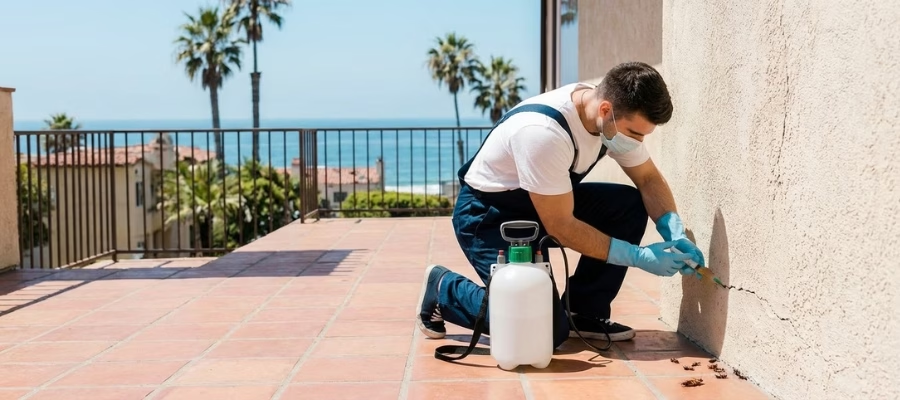
San Clemente’s coastal location creates perfect conditions for year-round pest activity. The mild temperatures, ocean humidity, and lush landscaping provide everything pests need—food, water, and shelter. Unlike regions with harsh winters that naturally reduce pest populations, San Clemente properties face constant pressure from ants, rodents, and cockroaches.
Argentine ants form supercolonies spanning entire neighborhoods. Rodents breed rapidly in wall voids and attics. Cockroaches contaminate kitchens while spreading disease. These three pest categories cause the most persistent problems for local homeowners, and addressing them requires more than store-bought sprays and traps.
Working with experienced pest control professionals makes the difference between temporary relief and lasting protection. At Wipe Out Pest Control, we’ve been protecting coastal homes since 2003, and we know exactly what it takes to eliminate ants, rodents, and cockroaches in marine environments. Schedule your free inspection and let our team show you what comprehensive pest control in San Clemente looks like.
Argentine Ants: San Clemente’s Dominant Invader
Walk outside any San Clemente home during summer and you’ll likely spot tiny brown ants trailing along sidewalks, climbing walls, or marching through kitchens. These are Argentine ants—an invasive species that arrived from South America over a century ago and now dominates Orange County.
Why Argentine Ants Are Different
Most ant species compete with each other, keeping populations naturally balanced. Argentine ants don’t. They form cooperative supercolonies containing millions of ants and multiple queens, spanning several properties simultaneously. When you only treat one nest, workers simply relocate queens to untreated areas and rebuild within days.
These colonies require constant moisture to survive, which is why infestations spike during San Clemente’s dry summer months when ants invade homes searching for water. They congregate around sinks, dishwashers, bathrooms, and any area with moisture—then fan out searching for food to support their massive populations.
Common Entry Points
- Gaps around plumbing penetrations under sinks
- Cracks in foundation perimeters near irrigation
- Spaces around utility lines entering walls
- Deteriorated weatherstripping on doors and windows
- Gaps where exterior walls meet patio slabs
Argentine ants don’t need large openings. A crack the width of a credit card provides highway access for thousands of workers. Our technicians at Wipe Out Pest Control conduct detailed exterior inspections, identifying these vulnerabilities—sealing entry points forms the foundation of effective ant control in San Clemente, preventing endless cycles of reinfestation that frustrate homeowners trying DIY solutions.
Prevention Strategies That Work
Eliminate moisture sources—Fix leaky faucets immediately, even minor drips. Insulate pipes to prevent condensation. Use dehumidifiers in naturally damp areas like laundry rooms. Argentine ants can’t survive without consistent water access, so moisture control dramatically reduces the attractiveness of your property.
Strategic Food Storage—Store pantry items in airtight containers rather than original packaging. Clean up crumbs and spills immediately—what seems insignificant to you feeds hundreds of ants. Don’t leave pet food bowls out overnight. Rinse recyclables before storing them.
Landscape Management—Trim vegetation at least 18 inches from your foundation. Argentine ants nest in mulch, dense ground cover, and under decorative rocks. They use plant branches touching structures as bridges directly to upper levels, bypassing ground treatments entirely.
- Did You Know: A single Argentine ant supercolony in San Clemente can contain over 10 million ants with hundreds of queens. When homeowners spray visible trails, they’re eliminating perhaps 1% of the colony—workers simply establish new trails within hours while the colony continues thriving underground.
Rodent Control for Coastal Properties
San Clemente’s proximity to canyons and open spaces means rodent populations remain consistently high. Roof rats and house mice don’t just invade during winter—coastal properties see activity year-round as rodents seek food, water, and nesting sites in comfortable residential environments.
Signs of Rodent Activity
Look for small dark droppings in pantries, under sinks, and along baseboards. Fresh droppings appear moist and dark, while old ones dry out and turn gray. Listen for scratching sounds in walls or ceilings at night when rodents are most active. Check for gnaw marks on food packaging, baseboards, and even electrical wiring—a serious fire hazard many homeowners don’t realize until damage becomes severe.
You might also notice grease marks along walls where rodents repeatedly travel the same pathways. Their fur leaves an oily residue that builds up over time, creating visible trails showing exactly where populations are most active.
Why Rodents Choose Your Home
Roof rats excel at climbing, accessing homes through tree branches touching rooflines, power lines leading to structures, or gaps around vents and eaves. They nest in attics, creating messy nests from insulation, paper, and fabric they shred from stored items. House mice squeeze through gaps as small as a dime, entering through foundation cracks, garage door gaps, or spaces around utility penetrations.
Both species breed rapidly—a single female mouse produces 5-10 litters annually with 5-8 pups each. Within months, two mice become sixty.
Professional Rodent Elimination
Comprehensive rodent control requires approaches combining trapping, exclusion, and prevention. Our technicians start with thorough property inspections identifying active nesting areas, entry points, and conditions attracting rodents. We strategically place traps in high-activity zones based on evidence patterns—not random placement that wastes time and allows populations to continue breeding.
After eliminating existing rodents, exclusion work becomes critical. We seal entry points with materials rodents can’t chew through—steel wool, copper mesh, hardware cloth, and commercial-grade sealants. This permanent protection stops new rodents from accessing your home, breaking the cycle of recurring infestations that plague properties relying solely on trapping. Professional treatment doesn’t just remove current problems—it creates the foundation for long-term prevention by addressing vulnerabilities DIY methods miss.
Prevention Strategies That Work
Trim vegetation away from structures—Keep tree branches at least 6 feet from your roofline. Roof rats use overhanging branches as highways directly into attics. Trim shrubs back from exterior walls to eliminate ground-level hiding spots that attract house mice.
Store firewood properly—Keep wood piles at least 20 feet from your home rather than stacked against exterior walls. Woodpiles provide perfect rodent harborage, and proximity to structures creates easy access. Similarly, eliminate debris piles where rodents nest before moving indoors.
Secure food sources—Store pantry items in airtight containers rather than original packaging. Don’t leave pet food bowls out overnight. Clean up fallen fruit from trees immediately—citrus and avocado trees common in San Clemente attract rats seeking easy meals.
Seal obvious entry points—Install door sweeps on exterior doors. Repair damaged window screens. Cover attic vents with hardware cloth. Check garage doors for gaps at ground level. Even small improvements make your home less accessible to opportunistic rodents.
Cockroach Problems in San Clemente
While less visible than ant trails, cockroach infestations create serious health concerns. These pests spread bacteria causing food poisoning, trigger asthma and allergies, and contaminate surfaces throughout kitchens and bathrooms. San Clemente’s humidity provides ideal conditions for species like German cockroaches and Oriental cockroaches to thrive indoors year-round.
Species Common to San Clemente
German cockroaches are small, light brown insects that prefer kitchens and bathrooms. They hide in cracks around appliances, inside cabinets, and behind wall plates. These prolific breeders rapidly establish large populations—females carry egg cases containing 30-40 eggs, and development from egg to adult takes just 6-8 weeks.
Oriental cockroaches are larger, dark brown to black roaches preferring damp areas like basements, crawl spaces, and utility rooms. They enter through floor drains, gaps around pipes, and foundation cracks. While slower to reproduce than German roaches, they’re hardy survivors requiring targeted treatment approaches.
Signs You Have a Problem
Seeing cockroaches during daylight indicates serious overcrowding from large populations. Roaches are primarily nocturnal—daytime sightings mean they’re competing for hiding spaces. Look for fecal spotting that appears as small dark specks in corners, along baseboards, and inside cabinets. Check for egg cases in hidden areas—small brown capsules about 1/4 inch long that signal an established breeding population.
Comprehensive Cockroach Treatment
Effective cockroach control combines multiple treatment methods simultaneously. We use gel baits that roaches carry back to harborage areas, poisoning entire colonies, including egg cases. Insect growth regulators prevent nymphs from reaching reproductive maturity, breaking breeding cycles. Residual applications in cracks and crevices provide long-term protection, killing roaches as they emerge from hiding.
Professional treatment reaches the concealed harborage areas where 80% of roach populations hide—wall voids, under appliances, inside cabinets. By addressing both active infestations and conducive conditions, treatment creates lasting prevention that DIY products simply cannot achieve.
Prevention Strategies That Work
Eliminate moisture problems—Fix leaky pipes immediately, even minor drips. Use dehumidifiers in naturally damp areas. Cockroaches require water to survive—a dry environment makes your home far less hospitable.
Practice strict sanitation—Clean up food debris and crumbs immediately. Don’t leave dirty dishes in the sink overnight. Store food in sealed containers. Take garbage out regularly and use bins with tight-fitting lids.
Reduce clutter and hiding spots—Organize storage areas, cabinets, and closets. Discard cardboard boxes that roaches hide in, replacing them with plastic storage bins. The fewer hiding spots available, the less attractive your home becomes.
Seal entry points—Caulk gaps around pipes under sinks. Install drain covers in floor drains. Seal cracks along baseboards and behind appliances. Check weatherstripping on exterior doors.
Protect Your San Clemente Home Today
Pest problems compound quickly in coastal environments. Small ant trails become massive infestations, a few rodent droppings indicate breeding populations in your walls, and one cockroach signals dozens more hiding in darkness. Early intervention prevents minor issues from becoming expensive, disruptive problems requiring extensive treatment.
Whether you’re dealing with active infestations or want preventive protection before problems start, contact Wipe Out Pest Control today for your free inspection. Let us show you what comprehensive pest control in San Clemente really looks like—and why homeowners throughout Talega, Forster Ranch, and coastal neighborhoods trust us to keep their properties genuinely pest-free.
Frequently Asked Questions
What makes Argentine ants so difficult to control in San Clemente?
Argentine ants form interconnected supercolonies containing millions of ants with multiple queens. Unlike most ant species that compete with each other, Argentine ants cooperate, creating massive populations spanning entire neighborhoods. When you treat one area, workers relocate queens to untreated zones and rebuild within days. Effective control requires treating entire property perimeters and using products that target queens specifically—not just killing visible worker ants.
How quickly can rodent populations grow inside my home?
Extremely fast. A single female mouse produces 5-10 litters annually with 5-8 pups each. Those offspring reach breeding age in 6-8 weeks. Two mice can become 60 within three months without intervention. This is why early treatment is critical—small rodent problems escalate into major infestations requiring extensive trapping, exclusion, and cleanup work.
Are cockroaches common in San Clemente homes?
Yes, particularly German cockroaches in kitchens and Oriental cockroaches in damp areas like utility rooms. San Clemente’s coastal humidity provides ideal conditions year-round. Seeing roaches during the daytime indicates serious overcrowding from large populations. Professional treatment is essential because cockroaches hide in wall voids and cracks where DIY products can’t reach them effectively.
How often should I schedule pest control services?
Most San Clemente properties benefit from quarterly service—treatments every three months maintain continuous protection against ants, rodents, and cockroaches. Properties with previous infestations, proximity to canyons, or high pest pressure may need bimonthly service initially. We assess your specific situation during inspection and recommend schedules based on actual pest activity rather than arbitrary timelines.
Do you offer eco-friendly pest control options?
Absolutely. All our treatments use eco-friendly products safe for children, pets, and the coastal environment. We apply targeted treatments only where pests actually live and travel—not blanket applications throughout entire properties. This precision approach minimizes chemical use while maximizing effectiveness, protecting your family and San Clemente’s beautiful natural surroundings.