
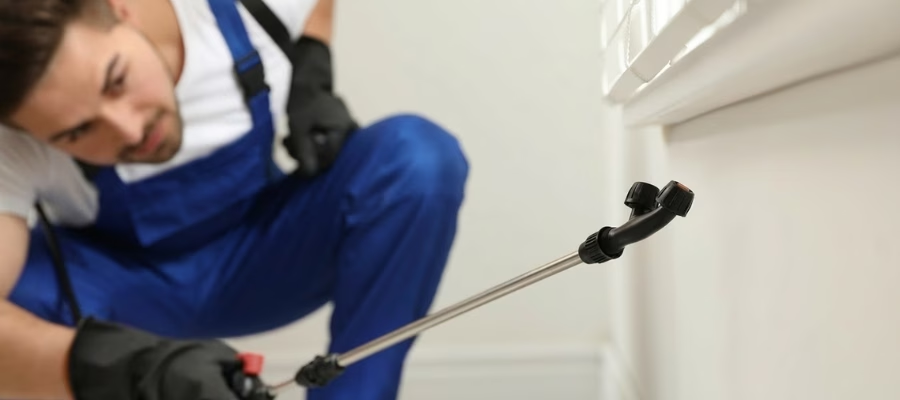
Most homeowners wait until they spot ants trailing across the kitchen counter or hear scratching in the walls before calling for help. By then, you’re not preventing—you’re reacting to an established infestation that will ultimately cost more time, money, and stress to eliminate.
The real question isn’t whether you need pest control, but how often treatments should happen to keep pests out for good. Should you schedule service monthly? Quarterly? Only when you see a problem?
Orange County’s year-round mild climate means pests never truly go dormant. Ants remain active through winter, rodents breed continuously, and termites swarm twice annually. At Wipe Out Pest Control, we’ve spent over 20 years helping local homeowners determine the right service frequency for their specific situations, and we’ve learned that cookie-cutter schedules rarely match what properties really need.
Why Quarterly Service Works for Most Homes
Professional pest control every three months strikes the right balance between protection and practicality for the majority of residential properties. Here’s what makes quarterly scheduling effective:
Treatments stay active for 60-90 days. Professional-grade products maintain effectiveness for roughly three months under normal conditions. Scheduling service quarterly means applying fresh barriers before previous treatments break down, maintaining continuous protection rather than cycling between coverage and vulnerability.
Each season brings different pests. Spring triggers termite swarms and ant colony expansion. Summer heat drives cockroaches and mosquitoes to peak activity. Fall temperatures push rodents indoors seeking shelter. Winter maintains pressure from pests already inside while preventing new invasions. Quarterly visits address these rotating threats as they emerge, rather than treating everything at once.
Costs remain manageable. Most homeowners can budget for four annual visits, making consistent prevention affordable compared to emergency treatments that active infestations require. Quarterly service typically costs 40-60% less annually than monthly visits while still providing comprehensive year-round protection.
Technicians can monitor changing conditions. Three months between visits allows enough time to assess treatment effectiveness without leaving properties unprotected for extended periods. If pest pressure increases or new issues develop, your technician catches them before they become serious problems.
When Monthly Service Makes More Sense
Some situations require more frequent attention than quarterly visits provide. Monthly pest control becomes necessary when dealing with aggressive infestations, high-pressure environments, or pests that reproduce exceptionally quickly.
Active Infestations of Fast-Breeding Pests
German cockroaches, bed bugs, and certain ant species can produce new generations within weeks. A single pregnant German cockroach can lead to thousands of offspring within months if conditions remain favorable. Monthly treatments during active infestations ensure you’re hitting successive generations before they reach reproductive maturity, breaking breeding cycles that quarterly service might miss.
For cockroach elimination, Wipe Out Pest Control typically recommends monthly visits for 3-6 months until populations are completely eradicated, then transition to quarterly maintenance once monitoring confirms no remaining activity.
Commercial Properties with High Public Traffic
Restaurants, food processing facilities, hotels, and healthcare settings can’t tolerate any visible pest activity. Health codes require stricter standards, and a single pest sighting can damage reputation permanently. Monthly service provides the consistent monitoring and treatment these high-stakes environments demand.
Properties in High-Pressure Areas
Homes adjacent to canyons, near standing water, or surrounded by dense vegetation face constant pest pressure that overwhelms quarterly treatments. If your property backs up to natural habitats where pest populations remain consistently high, monthly visits may be necessary to maintain adequate protection.
Severe Moisture Problems
Properties with ongoing moisture issues—leaking plumbing, poor drainage, high humidity—create conditions where moisture-loving pests breed continuously. Until moisture sources are corrected, more frequent treatments help control populations that would otherwise explode between quarterly visits.
Bimonthly Service: The Middle Ground
Every-other-month pest control splits the difference between quarterly and monthly schedules, providing enhanced protection without the expense of monthly visits. This frequency works well for properties that need more than quarterly attention but don’t face the severe pressure requiring monthly service.
Homeowners often choose bimonthly service during specific seasons when pest activity peaks in their area. Orange County residents might increase frequency during late spring and summer when ant and wasp activity surges, then return to quarterly scheduling during cooler months when outdoor pests naturally decline.
Factors That Change Your Ideal Frequency
Several variables affect how often your property needs professional pest control. Understanding these helps you work with your pest control provider to establish the right schedule.
Climate and Weather Patterns
Orange County’s mild Mediterranean climate allows pests to remain active twelve months a year. Unlike regions with harsh winters that naturally reduce pest populations, our consistent temperatures mean continuous pest pressure requiring year-round vigilance.
Seasonal rainfall patterns also matter. Winter rains drive rodents indoors seeking dry shelter. Summer drought pushes ants inside searching for water. Properties experiencing these seasonal invasions might need service frequency adjustments during peak periods.
Property Age and Condition
Older homes typically harbor more entry points—foundation cracks, deteriorated weatherstripping, gaps around utility penetrations—that allow continuous pest access. These properties often need more frequent service than newer, well-sealed structures where pests have fewer infiltration opportunities.
Building materials matter too. Wooden structures attract termites and carpenter ants. Properties with significant wood-to-soil contact face higher termite pressure, requiring more vigilant monitoring than homes built on concrete slabs with minimal wood exposure.
Surrounding Environment
Your immediate surroundings dramatically affect pest pressure. Properties that are near:
- Natural areas (canyons, parks, undeveloped land) face constant wildlife and insect migration
- Standing water sources (ponds, streams, drainage channels) deal with mosquitoes and water-seeking pests
- Agricultural areas encounter pests displaced by farming activities
- Dense urban environments see cockroaches and rodents common to high-population areas
Each environment brings specific pest challenges requiring tailored treatment frequencies.
Current Pest Activity Level
Properties with no existing problems might start with quarterly service and adjust if issues develop. Homes currently experiencing infestations need more aggressive initial treatment and then can often scale back to maintenance schedules once populations are eliminated.
Your pest control technician should assess activity levels during each visit and recommend frequency adjustments based on what they observe. Increasing pest pressure signals the need for more frequent service. Declining activity might allow extending intervals between treatments.
How to Choose the Right Service Schedule for Your Property
Generic pest control schedules ignore what’s actually happening at your home. The right frequency depends on your specific situation—and the best way to determine that is to work with professionals who assess your property rather than just selling you a package.
Start with a Thorough Property Assessment
Before committing to any schedule, a qualified technician should evaluate your property’s unique pest pressure. This means identifying current pest activity, inspecting for entry points and vulnerabilities, assessing the surrounding environment and pest sources, noting construction factors that affect prevention, and checking for moisture problems or conducive conditions.
At Wipe Out Pest Control, our initial inspections reveal what’s actually attracting pests to your property—not just what pests are visible. We’ve found that homes in Tustin near canyons face different rodent pressure than properties in coastal Dana Point dealing with moisture pests. Your service schedule should reflect these realities.
Adjust Based on Results, Not Arbitrary Timelines
The right frequency isn’t static. Properties that start on quarterly service might need temporary increases during high-activity seasons, then return to maintenance schedules once conditions stabilize. We track pest activity trends over time, adjusting recommendations based on what we’re actually seeing—not what a generic schedule suggests.
If treatments are working and monitoring shows declining activity, maintaining quarterly visits provides adequate protection. If pest pressure increases despite regular service, we recommend frequency adjustments before problems escalate into full infestations requiring emergency intervention.
Look for These Signs of Effective Service
Your pest control schedule is working when:
- Pest sightings decrease steadily after initial treatments
- Months pass between any pest activity
- Your technician finds less evidence during routine inspections
- Seasonal pest patterns are controlled before they become noticeable
If you’re still seeing pests within weeks of treatment or calling for additional service between scheduled visits, something needs to change—either treatment methods, frequency, or both.
Why One-Size-Fits-All Schedules Fail
National chains often push standardized schedules because they’re easier to manage across thousands of properties. But a home in Anaheim facing ant pressure from nearby agriculture needs a different frequency than a newer construction property in Irvine with minimal pest history.
We know which neighborhoods see the heaviest seasonal activity, how local microclimates affect different pest species, and what actually prevents infestations versus just treating symptoms after they appear. This local expertise means recommendations based on your property’s genuine needs, not corporate sales quotas.
Taking the Next Step With Wipe Out Pest Control
Cookie-cutter pest control schedules ignore the variables affecting your specific property. Working with experienced local technicians who understand regional pest patterns ensures your service frequency actually matches your needs.
At Wipe Out Pest Control, we’ve refined our understanding of Orange County pest activity since 2003. Our local expertise allows us to recommend service frequencies that genuinely prevent infestations rather than just following generic schedules.
Our eco-friendly treatments remain effective throughout treatment intervals while prioritizing safety for your family, pets, and the environment. We don’t over-treat to compensate for low-quality products, and we don’t under-serve to maximize the number of properties we can visit in a day.
Contact us today for a free inspection. We’ll evaluate your property’s pest pressure, identify vulnerabilities, and recommend a service schedule that provides genuine protection.
Frequently Asked Questions
How often should pest control be done for a typical Orange County home?
Most Orange County homes benefit from quarterly service—treatments every three months. This frequency maintains continuous protection as professional products remain effective for 60-90 days. Properties facing higher pest pressure from nearby canyons, standing water, or dense vegetation may need bi-monthly or monthly service.
At Wipe Out Pest Control, we assess your specific property conditions during the initial inspection and recommend frequency based on actual pest pressure, not generic schedules.
What’s the difference between preventive pest control and treating active infestations?
Preventive service maintains barriers and addresses conducive conditions before pests establish breeding populations. Active infestation treatment requires more aggressive approaches—multiple visits within shorter timeframes, targeted elimination strategies, and follow-up monitoring to verify complete eradication. Most infestations requiring emergency treatment could have been prevented with regular quarterly service costing significantly less than reactive elimination.
Can I skip pest control during winter months in Orange County?
No. Orange County’s mild climate means pests remain active year-round. Winter is actually peak season for rodent invasions as rats and mice seek indoor shelter from cooler outdoor temperatures and winter rains. Skipping winter service leaves your property vulnerable during a high-risk period, often resulting in infestations that become obvious in spring when breeding populations have already established.
How do I know if my current pest control schedule is working?
Effective service shows declining pest activity over time—months passing between any sightings, less evidence during routine inspections, and seasonal pests controlled before they become noticeable problems inside your home. If you’re seeing pests within two weeks of treatment, calling for additional service between scheduled visits, or dealing with the same pest problems repeatedly, your schedule needs adjustment.
We recommend scheduling a consultation to evaluate whether treatment methods or frequency need changing.
Is monthly pest control overkill for residential properties?
Not necessarily. Homes with active German cockroach or bed bug infestations need monthly service until populations are completely eliminated—typically 3-6 months. Properties in high-pressure environments (adjacent to natural areas, near standing water, significant moisture problems) may require monthly treatments to maintain adequate protection. Most homes can scale back to quarterly maintenance once initial problems are resolved, but the right frequency depends on your specific situation rather than generic recommendations.
What should be included in each pest control visit?
Quality service includes thorough property inspection before any treatment, interior and exterior applications based on observed pest activity, identification of entry points and conducive conditions, documentation of findings and recommendations, and follow-up guarantees if pests return between scheduled visits.
At Wipe Out Pest Control, we don’t just reapply the same treatment every visit—we adjust strategies based on seasonal pest patterns and what monitoring reveals about your property’s changing conditions.
Does more frequent service mean more chemical exposure for my family?
Not when done properly. Professional treatments use targeted applications in areas where pests actually travel—not blanket spraying throughout your home. Our eco-friendly products remain effective for their intended duration, so increasing frequency doesn’t mean proportionally increasing chemical use.
We apply treatments strategically based on pest pressure, maintaining protection while prioritizing your family’s safety.