
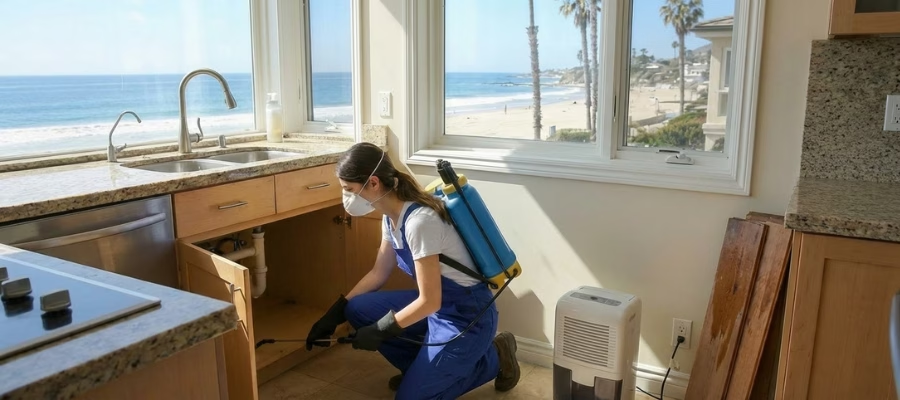
Living in Laguna Beach means enjoying beautiful coastal views, mild Mediterranean weather, and year-round sunshine. But this same climate that makes the area so desirable also creates the perfect environment for moisture-loving pests. With average humidity levels ranging from 59% to 74% throughout the year and ocean breezes bringing constant moisture, Laguna Beach homes face unique pest challenges that require specialized solutions.
Silverfish, cockroaches, termites, and certain ant species thrive in the damp conditions common to coastal properties. These pests don’t just create nuisances—they damage belongings, contaminate food, and, in the case of termites, compromise structural integrity.
At Wipe Out Pest Control, we understand how problematic this can be. We’ve protected Laguna Beach homes from moisture-driven infestations since 2003, using targeted treatments that address both active pests and the conditions attracting them.
Why Laguna Beach Homes Attract Moisture-Loving Pests
Laguna Beach’s coastal location creates environmental conditions that moisture-dependent pests find irresistible. Understanding why these pests target your property is the first step toward effective prevention.
Year-Round Humidity from Ocean Air
The Pacific Ocean maintains consistent humidity levels that never drop low enough to discourage moisture-loving pests. Unlike inland areas where seasonal dry periods naturally reduce pest populations, Laguna Beach properties experience sustained humidity that allows silverfish, cockroaches, and other moisture pests to breed continuously throughout the year.
Marine layer fog during summer mornings adds additional moisture to homes—particularly affecting north-facing walls, poorly ventilated bathrooms, and enclosed spaces where condensation accumulates. This constant moisture exposure creates ideal breeding conditions for pests that require high humidity to survive.
Older Home Construction Common in the Area
Many Laguna Beach properties were built before modern moisture barriers became standard practice. Homes from the 1960s and 1970s often lack proper crawl space ventilation, allowing ground moisture to rise into living spaces. Original plumbing in these older structures tends to develop small leaks that go unnoticed but provide exactly the kind of moisture pests need—sustained dampness in hidden areas.
Wooden window frames, natural fiber insulation, and cellulose-based materials common in older construction also attract silverfish and termites. These materials absorb coastal humidity and provide both moisture and food sources for destructive pests.
Landscaping That Holds Water Near Foundations
Irrigation systems designed for lush coastal gardens often deliver more water than plants actually need. Excess irrigation saturates soil near foundations, creating moisture gradients that draw subterranean termites and encourage cockroach harborage in mulch beds and ground cover.
Dense vegetation against exterior walls traps moisture and blocks air circulation, preventing surfaces from drying properly between watering cycles. This persistent dampness right at your foundation gives moisture pests easy access to your home’s interior.
Common Moisture-Loving Pests in Laguna Beach
Different moisture-dependent species pose distinct threats to coastal properties. Recognizing which pests you’re dealing with helps determine the most effective treatment approach.
Silverfish are perhaps the most moisture-dependent pests in Laguna Beach homes. These primitive insects require humidity levels above 75% to survive and reproduce, making bathrooms, laundry rooms, and poorly ventilated closets prime habitats. They feed on starches found in book bindings, wallpaper glue, cardboard boxes, and natural fabrics, causing damage that accumulates over months or years before homeowners notice the problem.
Finding silverfish in bathtubs or sinks usually indicates they’ve fallen in while seeking water and can’t climb the smooth surfaces to escape. Their presence signals established populations in wall voids or beneath flooring where moisture levels remain consistently high.
- Our technicians at Wipe Out Pest Control frequently find silverfish infestations in these hidden areas during moisture assessments.
German cockroaches represent the most common cockroach species in Laguna Beach residential properties. These smaller roaches require moisture access and typically infest kitchens and bathrooms where they can access water daily. They can survive a month without food but only about a week without moisture, making plumbing areas critical to their survival.
Unlike outdoor cockroach species, German roaches live almost exclusively indoors and breed rapidly when humidity exceeds 60%. A single pair can produce hundreds of offspring within months if moisture and harborage remain available.
Subterranean termites pose the primary structural threat to Laguna Beach properties. These termites require soil moisture contact and create mud tubes to transport water from the ground into wooden structures. They work slowly but relentlessly, often causing extensive damage before homeowners discover active infestations.
Laguna Beach’s clay soils retain moisture better than sandy soils found in some coastal areas, creating ideal conditions for termite colonies. The combination of moisture-retaining soil and wooden structural elements common in coastal homes makes professional termite monitoring essential for long-term property protection.
- At Wipe Out Pest Control, we conduct thorough termite inspections that identify moisture sources sustaining colonies—catching infestations before structural damage becomes extensive.
How Moisture Creates Pest Problems
Understanding the relationship between moisture and pest activity helps explain why coastal pest control requires different strategies than inland approaches.
Direct Water Requirements
Many moisture-loving pests need to drink water regularly to survive. Cockroaches, for instance, can live for weeks without food but will die within days without water access. This drives them to seek out even minor moisture sources—condensation on pipes, water heater drip pans, or humidity collecting beneath kitchen sinks.
Breeding Requirements
Most moisture pests require high humidity to reproduce successfully. German cockroach egg cases fail to develop properly in dry conditions, essentially limiting population growth when humidity drops below critical levels. Maintaining indoor humidity between 30-50% creates conditions where these pests struggle to establish breeding populations.
Silverfish lay eggs in cracks and crevices only when humidity remains consistently high. Reducing moisture eliminates the conditions necessary for egg development, breaking the reproduction cycle even if adult pests remain present.
Mold and Fungus as Food Sources
Excessive moisture creates secondary problems that attract additional pests. Mold growing on damp surfaces provides a food source for silverfish, which can consume fungal growth when other starches aren’t available. This creates a feedback loop where moisture attracts pests, pest activity spreads mold spores, and additional pests arrive to feed on resulting fungal growth.
Warning Signs of Moisture Problems Before Pests Appear
Most homeowners don’t realize they have moisture issues until pests become visible. By then, conditions have been perfect for infestations for weeks or months. Recognizing early warning signs helps you address moisture problems before they attract silverfish, cockroaches, and termites.
Condensation and Water Stains
Persistent condensation on windows, especially during morning hours when marine layer fog is present, indicates indoor humidity exceeds healthy levels. Water stains on ceilings near bathroom areas or along exterior walls suggest moisture penetration from outside or hidden plumbing leaks within walls. These damp conditions create exactly what moisture pests need to establish populations.
Musty Odors in Enclosed Spaces
A musty smell in closets, cabinets, or crawl spaces signals mold growth from sustained humidity. Even if you don’t see visible mold, the odor confirms moisture levels high enough to support both fungal growth and the pests that feed on it. Silverfish often appear shortly after homeowners first notice these odors.
Peeling Paint and Wallpaper
Paint bubbling or peeling on interior walls, particularly in bathrooms and kitchens, indicates moisture trapped between the wall surface and paint. Wallpaper lifting at seams or showing water damage reveals the same problem. These conditions not only attract silverfish that feed on wallpaper adhesive but also signal humidity levels supporting cockroach reproduction.
Exterior Warning Signs
Check your foundation perimeter for soil that remains damp days after irrigation or rainfall. Persistent dampness at the foundation line creates moisture gradients that draw subterranean termites directly toward your home’s structure. Efflorescence—white, chalky deposits on concrete foundations—indicates water moving through concrete, bringing moisture into crawl spaces and lower wall sections.
Wood in contact with soil, whether deck posts, fence sections, or landscape timbers, shows signs of moisture damage first—darkening, soft spots, or visible decay. These indicators predict similar conditions affecting your home’s structural wood if moisture management doesn’t improve.
Catching these warning signs early allows you to address moisture sources before they create full pest infestations requiring extensive treatment.
How Wipe Out Pest Control Solves Moisture Pest Problems
Effective coastal pest management requires addressing both active infestations and the moisture conditions sustaining them. Generic treatments that work inland often fail in humid coastal environments.
Comprehensive Property Inspection
Our technicians examine more than just areas where you’re seeing pests. We inspect crawl spaces for ground moisture intrusion, check plumbing penetrations for hidden leaks, assess attic ventilation adequacy, and identify exterior grading issues directing water toward foundations.
This thorough assessment reveals moisture sources you might not know exist—condensation inside wall cavities, inadequate bathroom ventilation creating sustained humidity, or irrigation systems saturating soil directly against your foundation.
Targeted Treatment Applications
We apply low-toxicity treatments strategically in areas where moisture pests actually travel and nest. Bathroom wall voids, beneath kitchen sinks, in utility rooms, and along plumbing runs receive priority treatment because these locations provide the moisture pests require.
For silverfish control, we focus on areas with the highest humidity rather than treating entire homes unnecessarily. This precision minimizes your family’s exposure to treatment products while maximizing effectiveness against target pests.
Cockroach elimination requires different approaches than silverfish management. We use gel baits in areas where roaches feed and travel, avoiding sprays that can scatter populations and make problems worse.
Moisture Control Recommendations
Treatment alone provides only temporary relief if moisture sources remain. We identify specific modifications that reduce humidity and eliminate standing water—installing bathroom exhaust fans on timers, rerouting downspouts away from foundations, repairing slow plumbing leaks, or adding crawl space ventilation.
These moisture control measures work alongside pest treatments to create environments where infestations can’t reestablish. Even the best pesticides eventually break down, but proper moisture management provides lasting protection.
Ongoing Monitoring and Prevention
Coastal pest pressure never stops, which is why one-time treatments rarely provide long-term solutions. We schedule follow-up inspections to verify treatments eliminated active pests and moisture conditions haven’t created new vulnerability.
Our maintenance programs catch seasonal moisture increases before they trigger new infestations. Spring rains, summer fog, and winter storms all affect indoor humidity differently, requiring adjustments to protection strategies throughout the year.
Protect Your Laguna Beach Home Today
Moisture-loving pests compound quickly in coastal environments. Small silverfish populations become widespread infestations, a few cockroaches signal breeding colonies in your walls, and termite activity left unchecked leads to expensive structural repairs.
Don’t wait until damage becomes visible. Contact Wipe Out Pest Control today for your free inspection. Our experienced technicians will assess your property’s specific moisture challenges and create a customized protection plan that addresses both current pest activity and the conditions attracting them. Let us show you what comprehensive pest control in Laguna Beach really means.
Frequently Asked Questions
Why do I see more silverfish in my Laguna Beach home during summer?
Summer morning fog increases indoor humidity, especially in poorly ventilated areas. Silverfish populations that remained hidden during drier periods become more active and visible as humidity rises above 75%. Installing bathroom exhaust fans and using dehumidifiers in moisture-prone areas reduces conditions silverfish need to thrive.
Can I control moisture pests without using pesticides?
Reducing moisture dramatically decreases pest populations, but established infestations typically require professional treatment for complete elimination. Combining moisture control with targeted pesticide applications provides faster, more reliable results than either approach alone. Once pests are eliminated, proper moisture management prevents reinfestation.
How does coastal humidity differ from humidity in inland Orange County areas?
Coastal areas maintain higher baseline humidity year-round due to ocean proximity. While inland areas might experience 20-30% humidity during dry summer months, Laguna Beach rarely drops below 60%. This sustained high humidity allows moisture pests to remain active continuously rather than experiencing seasonal population declines.
Do older Laguna Beach homes have more moisture pest problems?
Generally yes, due to construction methods that predate modern moisture barriers and ventilation standards. Older homes often have wooden window frames that absorb humidity, natural fiber insulation that holds moisture, and crawl spaces without proper vapor barriers. Modernizing moisture control in older homes significantly reduces pest pressure.
What’s the most important step for preventing moisture pest infestations?
Control indoor humidity. Keep it between 30-50% using dehumidifiers, proper ventilation, and prompt leak repairs. Even the most aggressive pest treatments provide only temporary relief if high humidity remains. Moisture control creates environments where pests can’t establish breeding populations, providing long-term protection.