
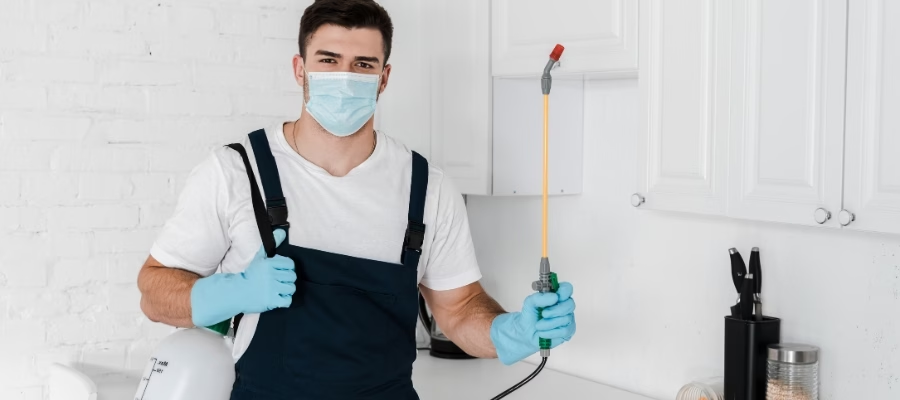
Managing rental properties means juggling tenant complaints, maintenance requests, lease renewals, and property inspections—all while protecting your investment value. Pest problems compound these challenges exponentially, triggering tenant turnover, negative reviews, emergency callouts, and expensive remediation that erodes your profit margins.
For Orange County property managers overseeing apartments, condos, and multi-family buildings, professional pest control protects your properties, tenants, and reputation. At Wipe Out Pest Control, we’ve partnered with property managers throughout Orange County since 2003, delivering consistent service that prevents pest problems before they threaten your operations.
Pest Challenges Unique to Multi-Family Properties
Shared Walls Spread Infestations Fast
Unlike single-family homes where pest problems stay contained, apartment buildings and condo complexes allow infestations to jump between units through shared plumbing chases, electrical conduits, and wall voids. One tenant’s cockroach problem becomes the entire building’s issue within weeks when pests migrate through interconnected infrastructure.
Property managers can’t control what happens inside individual units. Tenants who store food improperly, ignore small leaks, or let clutter accumulate create conditions supporting pest populations that spread to neighboring apartments—even when those neighbors maintain spotless homes.
High Turnover Creates Pest Opportunities
Every move-out and move-in represents potential pest introduction. Tenants can bring bedbugs on used furniture. Moving boxes from storage units can harbor cockroaches. Even brief vacancy periods between leases give rodents opportunities to nest in unoccupied units without anyone noticing until the next tenant discovers the problem.
Turnover also disrupts consistent pest prevention. Units receiving treatment under one tenant might go months without service if new occupants don’t report issues immediately. This inconsistency allows pest populations to rebuild between treatments.
Common Areas Require Constant Attention
Laundry rooms, mail rooms, fitness centers, pool houses, and parking garages all provide pest harborage that impacts multiple tenants simultaneously. Trash enclosures attract rodents and flies. Landscaping near building perimeters gives ants and spiders direct access to ground-floor units. Pool areas draw mosquitoes breeding in standing water.
These shared spaces fall under property management responsibility but receive less monitoring than individual apartments, letting pest problems develop until tenant complaints force emergency response.
What Pest Issues Cost Property Managers
Tenant Turnover and Lost Revenue
Nothing drives tenants out faster than persistent pest problems. When residents feel management isn’t addressing their complaints seriously or quickly enough, they break leases, leave negative reviews, and warn others against renting from you. Replacing tenants costs thousands in turnover expenses—cleaning, repairs, marketing, screening, and lost rent during vacancy periods.
Online reviews mentioning pests might permanently damage your reputation. Prospective tenants research properties thoroughly before applying. A few reviews describing rodent or cockroach problems can eliminate your property from consideration, forcing you to lower rents or offer concessions just to attract applications.
Emergency Service Costs More Than Prevention
Reactive pest control—calling exterminators only after tenants complain—costs significantly more than preventive programs. Emergency treatments charge premium rates, often require multiple visits to eliminate established infestations, and still don’t address the conditions that allowed pests to establish initially.
Bed bug treatments alone can cost thousands per unit. Rodent infestations requiring extensive trapping, exclusion work, and sanitation easily exceed $2,000 for multi-unit buildings. These emergency expenses could be avoided entirely with consistent preventive service, costing a fraction of reactive elimination.
Legal and Regulatory Exposure
California tenant law requires property owners to maintain habitable living conditions, which explicitly includes pest-free environments. Tenants dealing with serious pest infestations can legally withhold rent, break leases without penalty, or sue for damages if management fails to address problems promptly.
Health department complaints from tenants trigger inspections that can result in citations, required remediation, and public records documenting violations. These records affect property values, financing terms, and your ability to attract quality tenants.
Property Damage and Reduced Asset Value
Rodents chewing electrical wiring create fire hazards and equipment failures. Termites silently destroying structural wood compromise building integrity. Carpenter ants tunneling through framing weaken load-bearing members. These damages accumulate over time, requiring expensive repairs that reduce your overall return on investment.
Properties with documented pest issues also face challenges during sale or refinancing. Lenders and buyers scrutinize pest inspection reports, and histories of infestations reduce property values or kill deals entirely.
Our Property Management Pest Control Approach
Comprehensive Building Assessments
We inspect more than just areas where tenants report problems. Our technicians examine common areas, building perimeters, utility rooms, trash enclosures, and vacant units to identify pest activity, conducive conditions, and structural vulnerabilities allowing access. This comprehensive assessment reveals issues before they generate tenant complaints.
After two decades serving Orange County property managers, we know exactly where to look in different building types. Garden-style apartment complexes face different challenges than mid-rise condos. Buildings constructed in the 1970s have different vulnerabilities than new construction. Our experience allows us to anticipate problems specific to your property.
Scheduled Preventive Service
Consistent monthly or quarterly treatment maintains continuous protection rather than cycling between pest-free periods and active infestations. We coordinate service schedules with your property operations, treating common areas during low-traffic hours and individual units with advance tenant notification meeting legal requirements.
Our technicians become familiar with your specific properties over time, tracking pest pressure trends, identifying recurring problem areas, and adjusting strategies as needed. This continuity delivers better results than rotating providers who treat your buildings as one-time projects rather than ongoing partnerships.
Targeted Treatment of High-Risk Areas
We focus intensive treatment where pests actually nest and travel:
- Trash enclosures and dumpster areas
- Laundry rooms and utility spaces
- Building perimeters and foundation lines
- Plumbing chases and electrical rooms
- Vacant units between occupancies
This strategic approach delivers better protection with less total product application compared to generic “spray everything” services. Our treatments target pest biology and behavior rather than just applying chemicals everywhere and hoping something works.
Tenant Education and Coordination
Property managers can’t be everywhere at once. We provide tenant education materials explaining how to prevent pest problems, what to report, and when to expect service. Clear communication reduces tenant anxiety about pest issues and helps them understand their role in maintaining pest-free living spaces.
When tenants request service between scheduled visits, we coordinate directly with your management office to ensure proper notification, access, and documentation. This streamlined process protects both your interests and tenant rights while resolving issues quickly.
Detailed Documentation and Reporting
We maintain comprehensive records of all service performed—dates, areas treated, products used, pest activity observed, and recommendations for addressing conducive conditions. These records protect you during tenant disputes, health department inquiries, insurance claims, and property transactions.
Monthly or quarterly service reports keep you informed about pest activity trends across your properties. If certain buildings show increasing pressure, we alert you immediately so problems can be addressed before they escalate into emergencies requiring expensive intervention.
Why Orange County Property Managers Partner with Wipe Out Pest Control
Managing pest control across multiple properties requires a partner who understands property management operations—not just pest elimination.
Proactive Maintenance Identification
Our technicians flag non-pest maintenance issues during routine service—problems you might not discover until they cause expensive damage:
- Leaking irrigation lines saturating foundations
- Deteriorating weatherstripping allowing rodent access
- Clogged gutters creating mosquito breeding sites
- Structural gaps in vacant units
A technician noticing moisture damage during pest service can alert you to plumbing issues before they require major repairs. We help you catch problems early when fixes cost hundreds instead of thousands, prioritizing maintenance spending on issues that actually impact habitability.
Support for Difficult Tenant Situations
When standard pest treatment isn’t resolving complaints, we provide objective third-party assessment. Is the problem a genuinely persistent infestation requiring different approaches? Are neighboring units contributing to the issue? Does the situation suggest tenant-caused conditions?
Our documentation supports whatever resolution you pursue—whether that’s additional treatment at your expense, tenant education about prevention responsibilities, or evidence that infestations stem from tenant negligence. Clear records demonstrating consistent service protect you when disputes escalate to legal claims or health department complaints.
Portfolio-Level Pest Intelligence
Working across multiple properties reveals patterns individual building managers might miss. We track which neighborhoods face seasonal ant pressure, how building age affects rodent infiltration, and what construction styles create specific vulnerabilities.
This insight helps you anticipate problems before they develop. If similar buildings in your portfolio show increased pest activity, we alert you so preventive measures can be implemented at other properties before infestations establish. You benefit from intelligence gathered across our entire Orange County service area, not just observations from your specific buildings.
Long-Term Partnership Approach
Since 2003, we’ve protected property management portfolios throughout Orange County. We’ve worked with properties ranging from small 8-unit buildings to large complexes with hundreds of residents, encountering and solving every pest challenge multi-family properties present.
Schedule a property assessment with Wipe Out Pest Control and discover why property managers trust us to handle pest control so they can focus on everything else.
Frequently Asked Questions
How often should multi-family properties receive pest control service?
Most apartment buildings and condo complexes need monthly service to maintain adequate protection. Higher pest pressure, older construction, or histories of recurring problems may require more frequent treatment. Buildings with minimal pest activity might manage with quarterly service. We assess your specific situation and recommend frequency matching your actual risk level rather than pushing unnecessary service.
Who pays for pest control—property owners or tenants?
In California, property owners typically bear responsibility for pest control as part of maintaining habitable conditions. However, if infestations result directly from tenant negligence—like hoarding or extreme uncleanliness—owners may be able to charge tenants for treatment. Clear lease language defining these responsibilities protects both parties. We provide documentation supporting whatever arrangement exists between you and your tenants.
How do you coordinate service with tenant schedules?
We provide advance notice meeting California’s legal requirements for property access. For common areas, we schedule service during low-traffic periods, minimizing disruption. For individual units, we coordinate with your management office to arrange times convenient for tenants. Emergency service requests receive same-day or next-day responses when situations genuinely warrant immediate attention.
Can you treat vacant units between tenants?
Yes, vacant units actually provide ideal treatment opportunities since we can address issues thoroughly without coordinating around tenant schedules. We recommend treating all units during turnover—even those without visible pest problems—to prevent issues from developing after new tenants move in. This proactive approach costs less than addressing infestations after occupancy.
What documentation do you provide for property management records?
We maintain detailed service records documenting all treatment performed, including dates, specific areas addressed, products used, pest activity observed, and follow-up recommendations. These records support your maintenance documentation, protect you during tenant disputes or health department inquiries, and satisfy lender requirements during refinancing or property sales. Monthly or quarterly summary reports track pest activity trends across your entire portfolio.